

Most people associate skin aging with wrinkles, dryness, or visible irritation.
However, one of the most powerful forces shaping skin quality remains largely unnoticed: silent inflammation at the cellular level.
Silent inflammation does not always cause redness or pain.
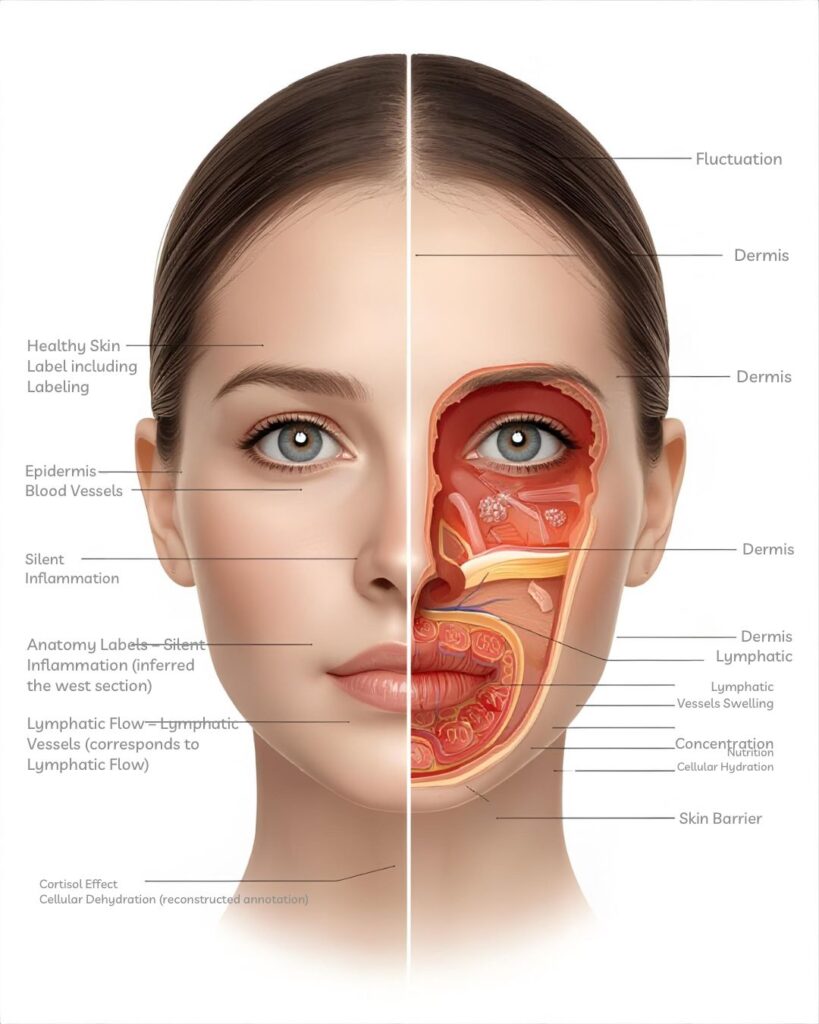
Instead, it disrupts cellular hydration, weakens the skin barrier, and gradually exhausts tissue resilience—long before visible damage appears.
At a physiological level, chronic low-grade inflammation interferes with how cells retain water.
When hydration within the cell declines, enzymatic activity slows, collagen-supporting fibroblasts become less responsive, and the skin enters a state of functional fatigue rather than repair.
This process explains why many individuals experience dullness, sensitivity, uneven texture, or accelerated skin aging despite using high-quality skincare products.
Without addressing cellular hydration and inflammatory balance, surface treatments alone cannot restore long-term skin health.
Research increasingly shows that hydration and inflammation are not separate processes.
They are biologically linked mechanisms that determine tissue quality, barrier integrity, and regenerative capacity.
When inflammation remains unresolved, hydration becomes inefficient—even if water intake appears sufficient.
Understanding this relationship marks a critical shift in how skin health should be approached:
not as a cosmetic concern, but as a cellular and systemic condition.
Silent inflammation does not appear as redness or irritation — it develops quietly at the cellular level, long before visible skin damage begins.
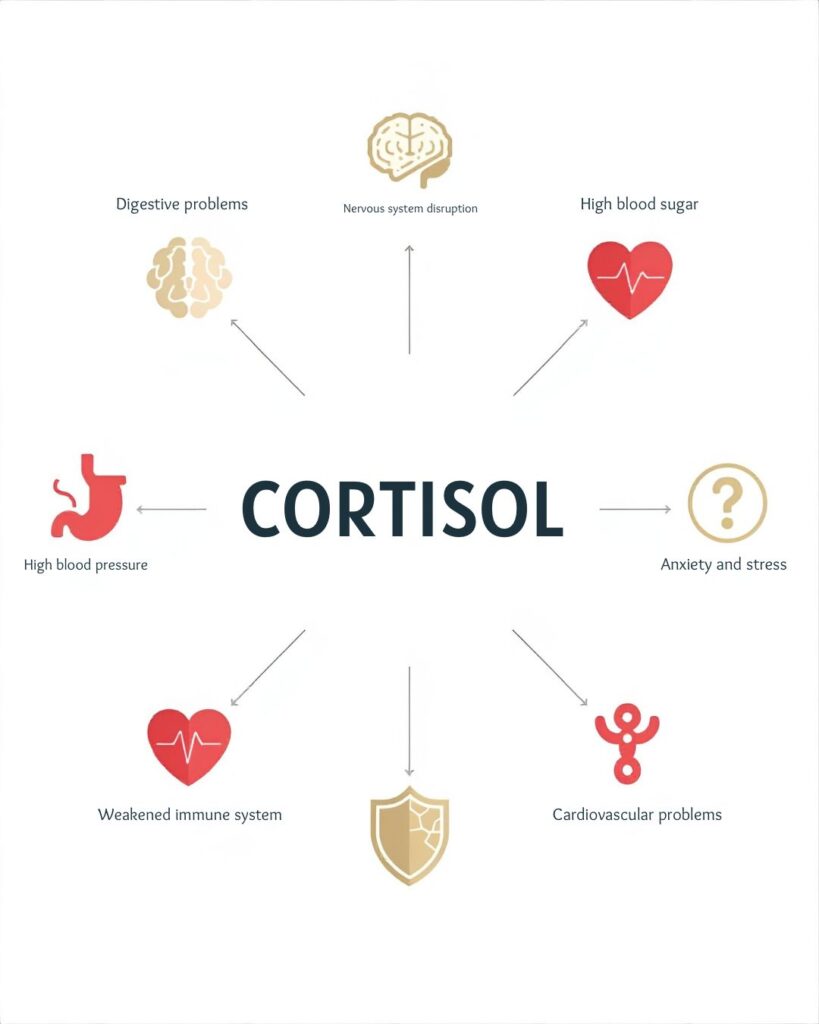
Chronic stress, cortisol imbalance, and disrupted hydration slowly suppress repair signals, weakening tissue quality without obvious warning signs.
When skin looks “tired” rather than inflamed, the issue is often not cosmetic — it is physiological.
Cellular hydration is not only about moisture levels—it is a critical regulator of inflammatory signaling, tissue repair, and skin resilience.
At a microscopic level, insufficient hydration alters enzymatic activity within the extracellular matrix, triggering silent micro-inflammatory responses long before redness, dryness, or sensitivity become visible.
These low-grade inflammatory pathways disrupt barrier integrity, slow cellular turnover, and reduce the skin’s ability to respond to active treatments, even when high-quality products are used.
What makes this process complex is that dehydration at the cellular level often goes unnoticed.
Skin may appear oily, congested, or uneven—masking the underlying hydration deficit that fuels chronic tissue stress.
Understanding the link between hydration and inflammation shifts skincare from surface correction to physiological restoration—where balance, not stimulation, becomes the foundation of long-term skin health.
True skin recovery does not begin with stronger actives, but with restoring the skin’s internal hydration balance.
When cellular hydration is optimized, inflammatory mediators decrease, barrier lipids reorganize, and tissue communication improves. This allows the skin to shift from a constant state of defense into a state of repair.
One of the least discussed facts in clinical skincare is that persistent inflammation is often driven by intracellular dehydration rather than external dryness. This explains why many individuals experience sensitivity, breakouts, or uneven texture despite using rich products.
Effective hydration support requires more than topical moisture. Adequate daily water intake, electrolyte balance, lymphatic flow, and proper product formulation all work together to maintain tissue equilibrium.
Skincare products selected without considering hydration-support mechanisms may deliver short-term results but fail to improve skin quality over time. When hydration is treated as a physiological priority, the skin becomes more resilient, responsive, and capable of long-term regeneration.
The Hidden Role of Cellular Hydration in Sustainable Skin & Health Outcomes
Have you ever wondered why no one explained that skin health begins inside the cell—not on the surface?
Most people are taught to focus on products, actives, and treatments, yet the biological role of cellular hydration is rarely discussed, despite being one of the most critical regulators of skin repair and resilience.
Skin health is governed by cellular hydration, inflammatory balance, and barrier integrity—not by surface moisture alone. Chronic low-grade dehydration disrupts enzymatic activity, weakens tissue repair, and reduces the effectiveness of skincare treatments. Supporting hydration at a physiological level through consistent water intake, proper product selection, and lifestyle alignment allows the skin to regain resilience, clarity, and long-term balance.
When hydration is managed as a biological necessity rather than a cosmetic step, skin health becomes a measurable, sustainable outcome—not a temporary appearance. When hydration is managed as a biological necessity rather than a cosmetic step, skin health becomes a measurable, sustainable outcome—not a temporary appearance.
Leave a Reply