

This paragraph serves as an introduction to your blog post. Begin by discussing the primary theme or topic that you plan to cover, ensuring it captures the reader’s interest from the very first sentence. Share a brief overview that highlights why this topic is important and how it can provide value. Use this space to set the tone for the rest of the article, preparing readers for the journey ahead. Keep your language approachable, yet informative, to create a strong connection.
Hydration is the foundation that allows every skincare mechanism to function properly.
Without it, even the most advanced treatments lose effectiveness.
Deepening the Role of Hydration in Skin Physiology
Hydration is not simply the presence of water on the skin’s surface; it is a biological requirement that governs cellular communication, enzyme activity, and barrier integrity within the epidermis and dermis.
At a physiological level, well-hydrated skin maintains optimal intercellular lipid organization, allowing corneocytes to remain flexible and resilient. When hydration levels drop, enzymatic processes responsible for cell renewal slow down, micro-inflammation increases, and the skin becomes less responsive to active treatments.
This is why even advanced procedures—such as rejuvenation therapies, regenerative protocols, or corrective skincare routines—cannot deliver consistent results on dehydrated skin. Without adequate hydration, active ingredients struggle to penetrate evenly, and the skin enters a state of defense rather than repair.
An often overlooked fact is that chronic low-grade dehydration does not always present as visible dryness. It may appear as sensitivity, dullness, uneven texture, or persistent breakouts. Clinically, these signs reflect impaired water binding within the extracellular matrix rather than surface moisture loss.
For this reason, selecting skincare products based solely on actives without evaluating their hydration-support mechanisms can compromise long-term skin quality. True skin improvement begins when hydration is treated as a foundational physiological need—not a cosmetic afterthought.
Hydration holds a central role in dermatology because it directly influences how the skin responds to both internal and external interventions. From a medical perspective, hydrated skin demonstrates improved barrier recovery, lower inflammatory signaling, and more predictable healing responses.
In clinical practice, one of the most common reasons treatments fail is not the choice of active ingredients—but the skin’s inability to retain water at a cellular level. When hydration is insufficient, the skin prioritizes survival over regeneration, reducing the effectiveness of even scientifically advanced formulations.
Another critical but rarely discussed point is that hydration determines tolerance. Well-hydrated skin tolerates retinoids, acids, and corrective protocols more safely, while dehydrated skin reacts with irritation, sensitivity, or rebound inflammation.
For this reason, dermatological protocols increasingly begin with hydration assessment rather than immediate correction. Supporting hydration is not a preparatory step—it is a therapeutic intervention that stabilizes skin physiology and improves long-term outcomes.
How to Read Hydration When Choosing Skincare Products
Hydration is often misunderstood as “moisturizing,” yet clinically they are not the same. A product that feels rich on the skin may still fail to support true hydration if it does not enhance water binding within the epidermis.
When selecting skincare, hydration should be evaluated through three physiological questions:
Does the product support water retention in the stratum corneum?
Does it protect the lipid barrier to prevent transepidermal water loss?
Does it work in harmony with the skin’s natural repair cycle rather than overstimulating it?
Products that rely solely on strong actives without hydration support can temporarily improve appearance but accelerate long-term aging by exhausting the skin’s adaptive capacity.
Hydration and Aging: What Is Rarely Explained
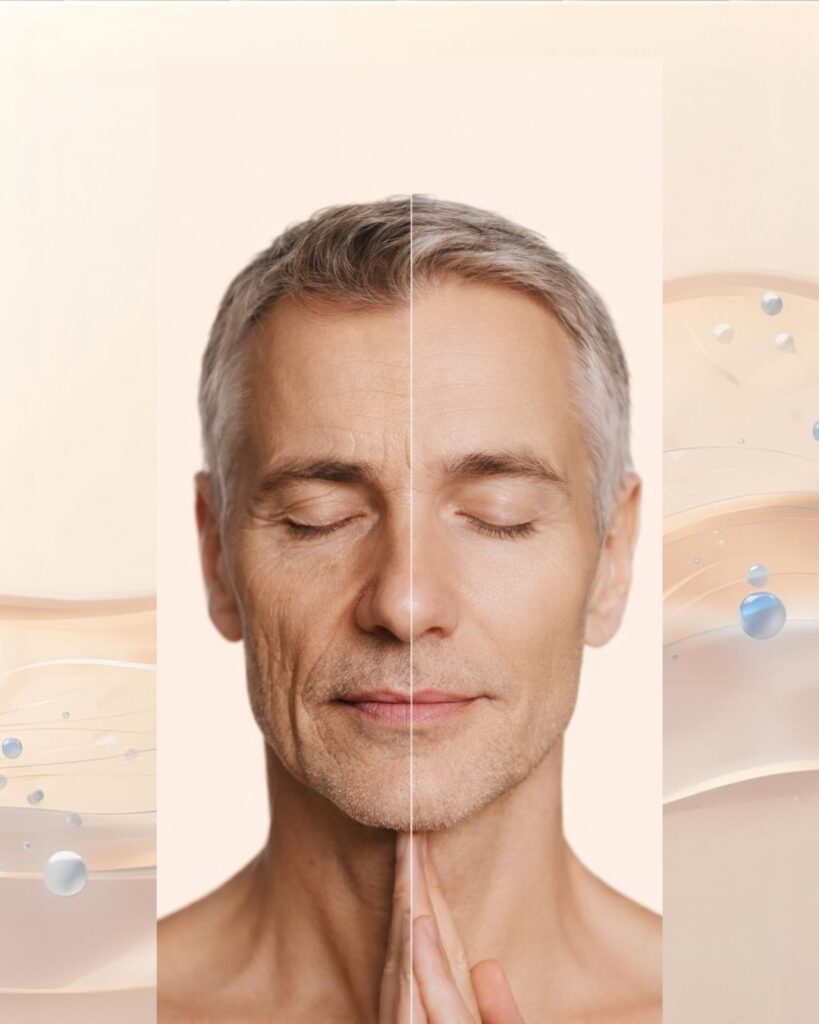
One of the least discussed aspects of skin aging is that dehydration alters cellular signaling before visible aging appears. Reduced intracellular water disrupts fibroblast communication, weakens collagen alignment, and slows enzymatic renewal—long before wrinkles are visible.
This is why dehydrated skin often appears dull, thin, or reactive rather than simply “dry.” Aging, in many cases, is not initiated by time alone but by chronic low-grade dehydration that impairs regeneration.
Nemli cilt farklı şekilde yaşlanır: daha yavaş, daha eşit ve daha iyi yapısal bütünlükle.
The Hidden Hydration Mistakes That Accelerate Aging
Frequent cleansing with hot water, overuse of exfoliating acids, and constant product switching silently compromise hydration pathways. These habits may not cause immediate dryness but gradually reduce the skin’s ability to hold and distribute water.
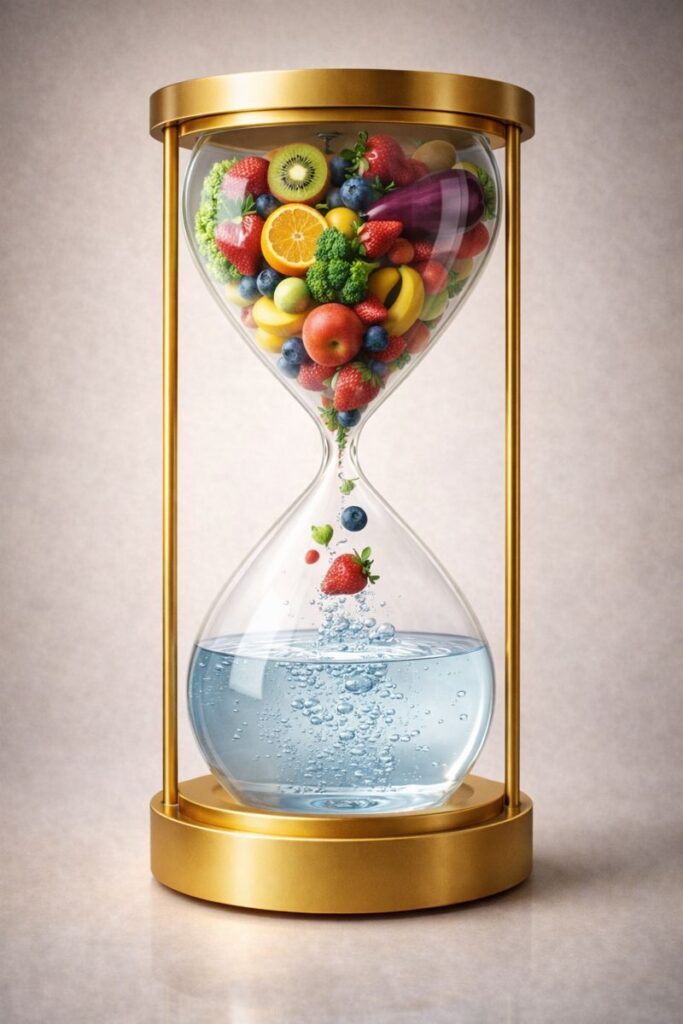
Another overlooked factor is inadequate internal hydration. No serum can compensate for insufficient water intake, as cellular hydration is primarily regulated systemically—not topically.
True skin longevity is achieved when hydration is protected both internally and externally, allowing the skin to remain in repair mode rather than survival mode.
Why Some Skin Never Feels Hydrated—No Matter What You Use
Some skin types remain dehydrated despite using high-quality products because the issue is not surface moisture, but impaired water-binding capacity within the epidermis.
When the skin barrier is compromised, water cannot be retained at a cellular level, and hydration escapes faster than it can be replenished.
In many cases, this condition is linked to chronic low-grade inflammation, excessive cleansing, hormonal imbalance, or insufficient internal hydration.
Without restoring barrier integrity and systemic water balance, topical products alone cannot fully hydrate the skin.
True hydration is achieved when the skin is supported biologically—allowing water to bind, circulate, and remain where it is physiologically needed.
Wrapping Up with Key Insights
Skin hydration is not a cosmetic preference but a biological requirement that determines how the skin ages, repairs, and responds to care. Choosing products that support hydration pathways—while maintaining adequate water intake—allows the skin to function in regeneration rather than defense. When hydration is managed correctly, skin quality improves naturally, sustainably, and visibly over time.
Leave a Reply